Kettler Buying Guide for the Right First Ride
Choose a ride-on by the child's stage, confidence, and supervision needs, then refine by surface, storage, and the amount of adult steering support required.
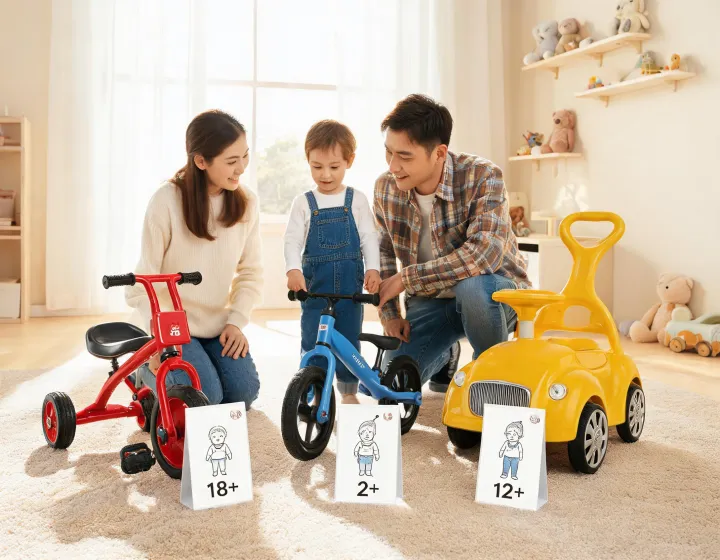
The best ride is the one a child can enjoy safely today.
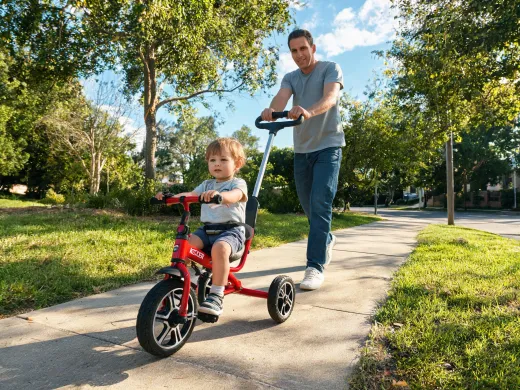
Many families begin by asking which model is most popular. Kettler recommends beginning with readiness instead: Can the child sit comfortably, hold the handlebar, place feet securely, and follow simple steering cues? A push-handle tricycle may be the right first step for a younger toddler who wants the feeling of a ride but still benefits from adult guidance.
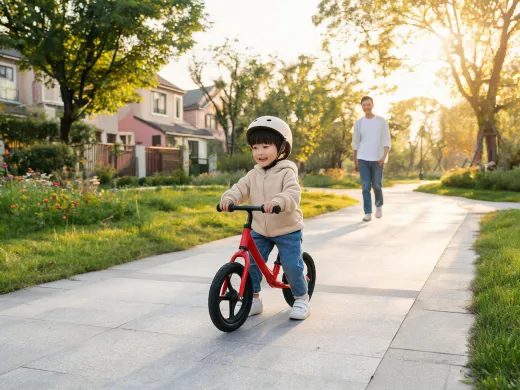
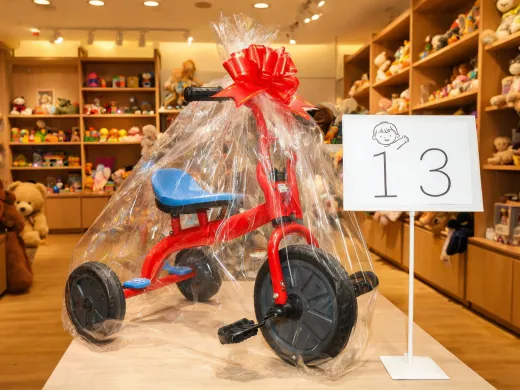
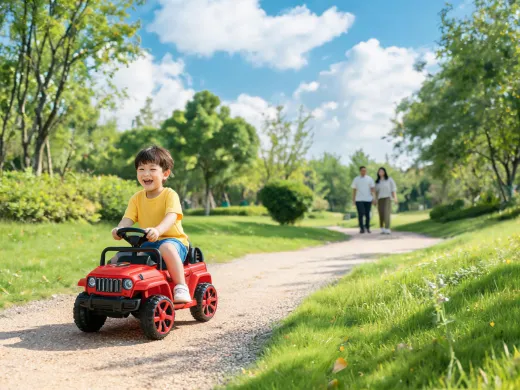
As confidence grows, the decision shifts toward independence. A balance bike helps children practice weight shifting and direction without pedals. A classic tricycle supports pedaling rhythm and outdoor routine. Larger ride-on vehicles work best when the child can manage basic controls and ride in a supervised open area.
Pick the product that matches today's rider, not the one a child might grow into too quickly.
Four questions that simplify the choice
Common family buying moments